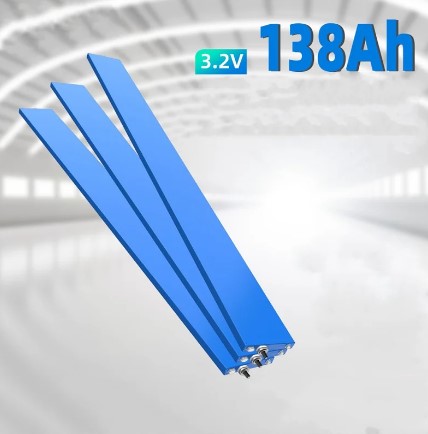
Wie jede andere Batterie besteht eine wiederaufladbare Lithium-Ionen-Batterie aus einem oder mehreren stromerzeugenden Behältern, die genannt werdenZellenJede Zelle hat im Wesentlichen drei Komponenten: einePositivelektrode (connected to the battery’s positive or + terminal), a Negative Elektrode(verbunden mit dem negativen oder − Anschluss) und eine chemische Substanz namens einElektrolytZwischen ihnen. Die positive Elektrode besteht typischerweise aus einer chemischen Verbindung namens Lithium-Kobalt-Oxid (LiCoO₂).2—often pronounced “lyco O2”) or, in newer batteries, from lithium iron phosphate (LiFePO4). The Negative Elektrode is generally made from carbon (graphite) and the Elektrolyt varies from one type of battery to another—but isn’t too important in understanding the basic idea of how the battery works.
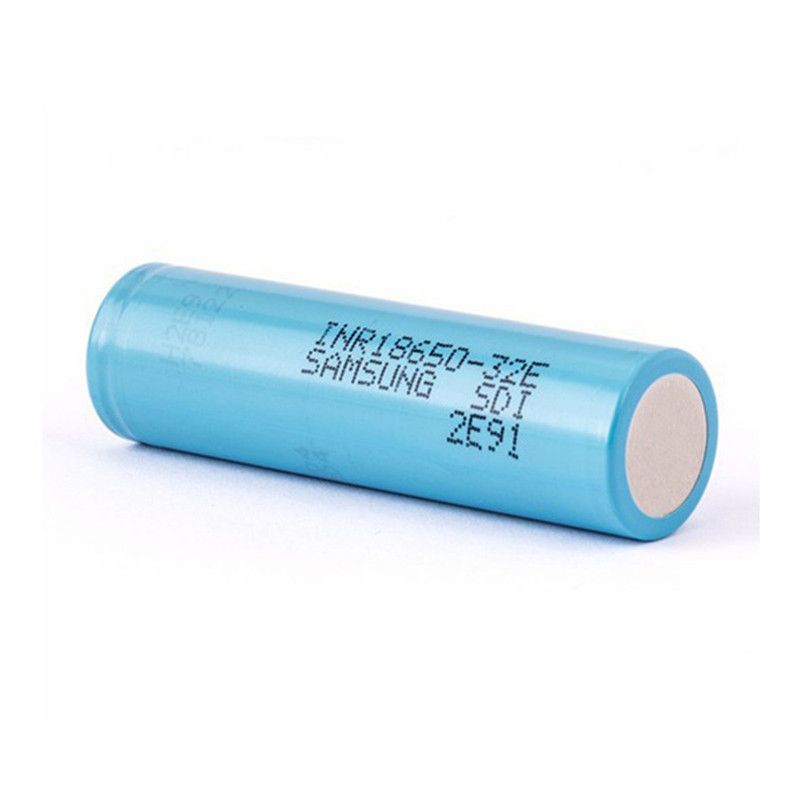
18650 32E 3200mAh Batterie
All lithium-ion batteries work in broadly the same way. When the battery is charging up, the lithium-cobalt oxide, Positivelektrode gives up some of its lithium ions, which move through the Elektrolyt to the negative, graphite electrode and remain there. The battery takes in and stores energy during this process. When the battery is discharging, the lithium ions move back across the Elektrolyt to the Positivelektrode, producing the energy that powers the battery. In both cases, electrons flow in the opposite direction to the ions around the outer circuit. Electrons do not flow through the Elektrolyt: it’s effectively an insulating barrier, so far as electrons are concerned.
The movement of ions (through the Elektrolyt) and electrons (around the external circuit, in the opposite direction) are interconnected processes, and if either stops so does the other. If ions stop moving through the Elektrolyt because the battery completely discharges, electrons can’t move through the outer circuit either—so you lose your power. Similarly, if you switch off whatever the battery is powering, the flow of electrons stops and so does the flow of ions. The battery essentially stops discharging at a high rate (but it does keep on discharging, at a very slow rate, even with the appliance disconnected).
Im Gegensatz zu einfacheren Batterien haben Lithium-Ionen-Batterien eingebauteelektronischSteuergeräte, die steuern, wie sie geladen und entladen werden. Sie verhindern Überladung und Überhitzung, die dazu führen können, dass Lithium-Ionen-Batterien unter bestimmten Umständen explodieren.