Compared to combustion-engined cars, electric cars have fewer moving parts, regenerative braking tends to mean less frequent replacement of pads and rotors, and servicing requirements are greatly reduced. Add in the ability to charge on the cheap during low demand times, and choosing to purchase or lease an EV isn’t just about lowering tailpipe emissions, but spending fewer hard-earned dollars on fuel. However, EVs do tend to cost significantly more to purchase.
What makes electric cars more expensive to buy than their combustion-engined rivals is primarily the cost of manufacturing large lithium-ion battery packs. The hope is that continual improvements will bring cost-per-kWh down to the point that electric vehicles (EV) and those powered by an internal-combustion engine (ICE) are on an even footing. But even with parity, some consumers are concerned that the potential replacement cost of an EV’s battery could mean dealbreaker bills down the road.
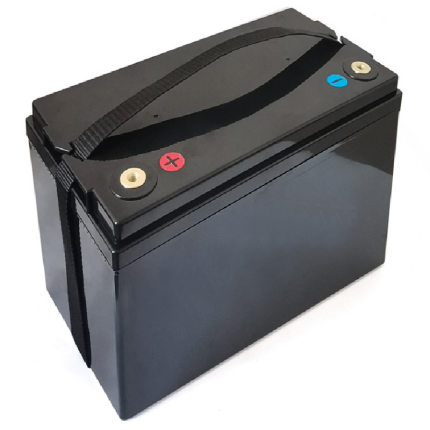
Comment fonctionne une batterie lithium-ion
La plupart des voitures électriques utilisent un pack de batteries lithium-ion. Bien qu'il y ait souvent des articles de presse sur de nouveaux prototypes de batteries avec des chimies prometteuses, l'infrastructure pour produire des batteries lithium-ion à grande échelle est déjà en place ou en cours de construction. Même si la batterie lithium-ion continuera à être améliorée, il est peu probable que l'industrie opère un changement technologique à court terme en s'éloignant d'une technologie bien comprise.
Les batteries au lithium-ion ont les avantages suivants :
They have a higher energy density than either conventional lead-acid batteries used in internal-combustion cars, or the nickel-metal hydride batteries found in some hybrids such as Toyota’s new body-on-frame models like the Land Cruiser or 4Runner.
They self-discharge at a lower rate than other battery types, losing only 1 to 2 percent per month (as long as the weather conditions aren’t too extreme).
Ils ne nécessitent pas de décharges complètes périodiques, ni d'entretien des électrolytes.
Ils fournissent une tension raisonnablement constante même lorsque la charge se dégrade.
Cependant, les batteries au lithium-ion présentent certains inconvénients :
They’re expensive to produce, and mining the cobalt and nickel required has both environmental and humanitarian concern.
La gestion de la batterie à bord est essentielle pour la longévité.
La charge complète et la décharge complète sont nuisibles à la durée de vie de la batterie.
Un risque de surchauffe et de propagation thermique pouvant entraîner des incendies est possible.
La charge et la décharge de la batterie sont influencées par des températures extrêmes.
Pour remédier à la plupart de ces inconvénients, les constructeurs automobiles ont développé une gestion de la santé de la batterie basée sur des logiciels, comprenant à la fois le refroidissement et le chauffage afin d'améliorer l'efficacité dans des environnements allant d'un hiver norvégien à une canicule texane.
Take for instance Audi’s new Q6 e-tron, which shares its platform with the EV version of the Porsche Macan EV. Compared to earlier e-tron models, the Q6’s battery back is smaller, lighter, and made up of fewer cells. It uses fewer rare earths in manufacturing, and Audi can build these packs in roughly half the time it took previously. The pack is tested in extreme weather conditions for longevity, and it features some clever software management, such as the ability to charge as two virtual battery packs in parallel to reduce voltage losses.
Durée de vie de la batterie de VE
La façon la plus simple d'évaluer la longévité prévue d'un pack de batteries est de voir ce que les fabricants promettent. Tous les constructeurs automobiles offrent actuellement au moins une garantie de huit ans ou 160 000 kilomètres sur les packs de batteries des véhicules électriques.
Tesla offers an eight-year battery warranty, and depending on the range and type of vehicle, coverage for 100,000 to 150,000 miles. This guarantee isn’t just against the complete failure of a battery pack, but against degradation. As they age, charge cycle by charge cycle, a lithium-ion pack loses a fraction of its total capacity. Tesla’s fine print says that its vehicles must retain at least 70-percent of their capacity during the warranty period. If they drop below that threshold, they’ll be replaced for free.
Cela semble être une hypothèse sûre. Une étude participative menée par des propriétaires de Tesla aux Pays-Bas— utilisant des données du monde entier—montrait que les propriétaires de Model S observaient une dégradation moyenne d'environ 5 % après 80 000 kilomètres de conduite. La courbe de dégradation commence également à s'aplanir, indiquant une perte d'environ 10 % de capacité ou moins après 240 000 ou même 320 000 kilomètres.