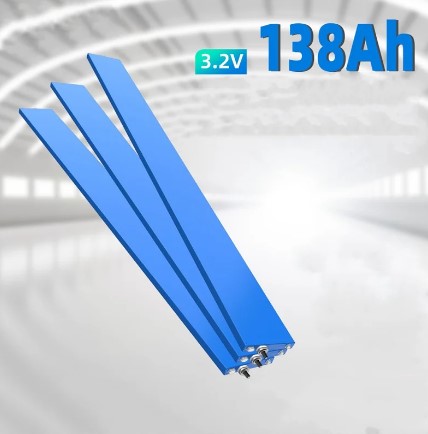
他の電池と同じように、充電式リチウムイオン電池は「セル」または「電池セル」と呼ばれる、一つまたは複数の発電区画で構成されています。細胞各セルには基本的に三つの要素があります: a陽極 (connected to the battery’s positive or + terminal), a 負極(負極または−端子に接続されている)と呼ばれる化学物質電解質その間に。正極は一般的にリチウムコバルト酸化物(LiCoO)という化合物で作られています。2—often pronounced “lyco O2”) or, in newer batteries, from lithium iron phosphate (LiFePO4). The 負極 is generally made from carbon (graphite) and the 電解質 varies from one type of battery to another—but isn’t too important in understanding the basic idea of how the battery works.
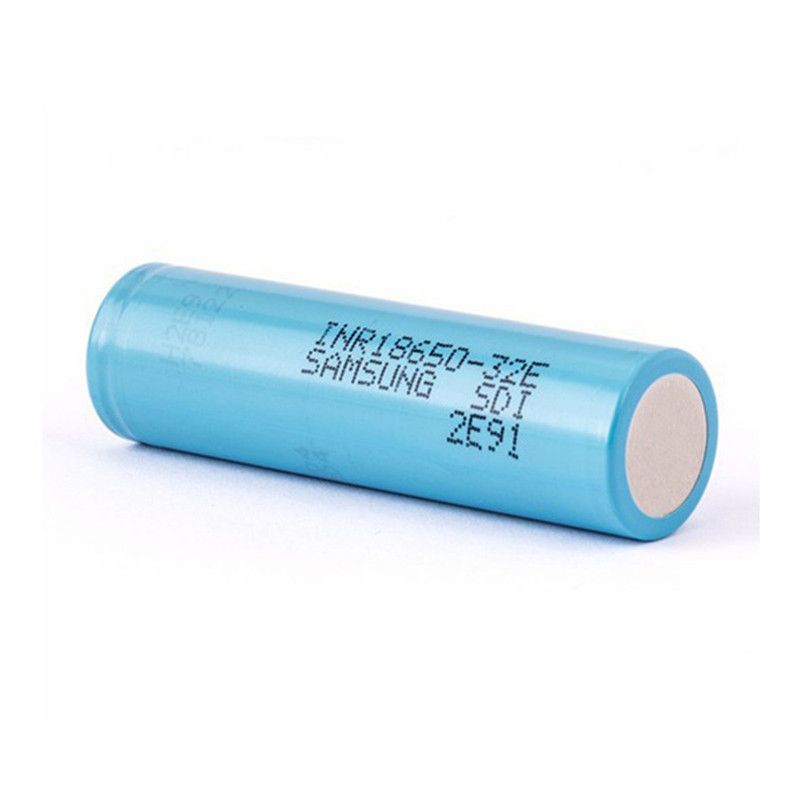
18650 32E 3200mAh バッテリー
All lithium-ion batteries work in broadly the same way. When the battery is charging up, the lithium-cobalt oxide, 陽極 gives up some of its lithium ions, which move through the 電解質 to the negative, graphite electrode and remain there. The battery takes in and stores energy during this process. When the battery is discharging, the lithium ions move back across the 電解質 to the 陽極, producing the energy that powers the battery. In both cases, electrons flow in the opposite direction to the ions around the outer circuit. Electrons do not flow through the 電解質: it’s effectively an insulating barrier, so far as electrons are concerned.
The movement of ions (through the 電解質) and electrons (around the external circuit, in the opposite direction) are interconnected processes, and if either stops so does the other. If ions stop moving through the 電解質 because the battery completely discharges, electrons can’t move through the outer circuit either—so you lose your power. Similarly, if you switch off whatever the battery is powering, the flow of electrons stops and so does the flow of ions. The battery essentially stops discharging at a high rate (but it does keep on discharging, at a very slow rate, even with the appliance disconnected).
従来のバッテリーとは異なり、リチウムイオンバッテリーには内蔵されています電子充電および放電を調整するコントローラー。これらは、過充電や過熱を防ぎ、リチウムイオン電池が爆発する場合がある状況を防ぎます。