BEIJING — Chinese scientists have recently made significant advances in overcoming critical obstacles in solid-state batteries, pushing their performance to new heights.
고체 상태 배터리는 차세대 리튬 배터리 기술로 널리 여겨지며, 신에너지 차량과 저고도 항공 분야에서 유망한 가능성을 지니고 있습니다.
이전에는 100킬로그램 배터리가 차량을 약 500킬로미터 동안 움직이게 할 수 있었지만, 최근의 돌파구는 그 범위를 1,000킬로미터 이상으로 확장할 것을 약속하고 있습니다.
At the heart of a battery are lithium ions, which act like “deliverymen,” shuttling electrons between the positive and negative electrodes. The solid electrolyte serves as the “road” for these ions.
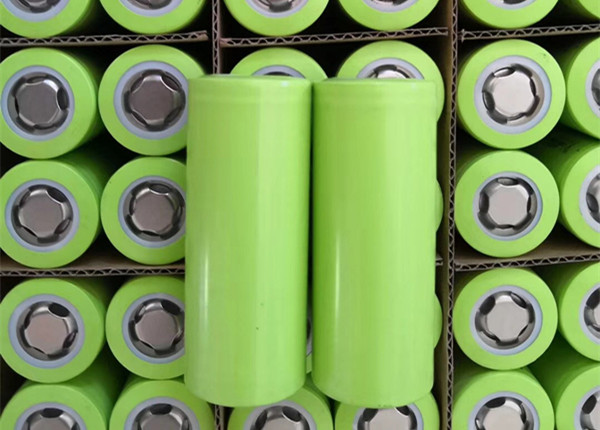
그러나 기존의 고체 배터리에서는 황화물 기반 전해질이 너무 단단하고, 리튬 금속 전극은 너무 부드럽습니다. 이러한 재료들이 접합할 때, 불규칙한 접촉이 저항을 만들어 이온 이동을 방해하고 효율을 저하시키며, 이는 상용화에 오래된 장애물이 되고 있습니다.
이러한 문제를 해결하기 위해 중국 연구팀은 강성과 부드러움 재료 간의 격차를 매끄럽게 연결하는 혁신적인 솔루션을 개발하여 이온 이동을 원활하게 하고 성능을 향상시켰습니다.
One approach from the Institute of Physics, Chinese Academy of Sciences (CAS), uses iodine ions as a form of special “glue.” During operation, these ions migrate to the interface between the electrode and electrolyte, where they attract lithium ions to fill in microscopic gaps and pores.
이 자체 수리 메커니즘은 촉점이 강하게 결합된 계면을 형성하여 고체 배터리의 실용성에 가장 지속적으로 장애가 되는 문제 중 하나를 효과적으로 극복합니다.
Scientists at the Institute of Metal Research of the CAS have given electrolytes a “flexible transformation.” By building a polymer-based skeleton, they created a battery that remains fully functional even after being bent 20,000 times or twisted.
이 디자인은 뛰어난 내구성을 제공할 뿐만 아니라 유연한 구조에 특수 화학 첨가제를 포함시키는데, 일부는 리튬 이온의 이동을 가속화하고 일부는 추가 이온을 포획하여 에너지 저장 용량을 86% 증가시킵니다.
In another development, a team from Tsinghua University has introduced a fluorine reinforcement technique. They modified the electrolyte with fluorinated polyether materials, leveraging fluorine’s high resistance to voltage to form a protective layer on the electrode surface. This fluoride-rich shield prevents the electrolyte from being broken down under high voltage.
이로 인해 이 기술을 적용한 배터리는 못침투 시험과 섭씨 120도 화상시험 등 엄격한 안전 테스트를 통과했으며, 화재나 폭발 없이 안전성을 확보하여 우수한 성능과 안전성을 모두 갖추고 있습니다.