Compared to combustion-engined cars, electric cars have fewer moving parts, regenerative braking tends to mean less frequent replacement of pads and rotors, and servicing requirements are greatly reduced. Add in the ability to charge on the cheap during low demand times, and choosing to purchase or lease an EV isn’t just about lowering tailpipe emissions, but spending fewer hard-earned dollars on fuel. However, EVs do tend to cost significantly more to purchase.
What makes electric cars more expensive to buy than their combustion-engined rivals is primarily the cost of manufacturing large lithium-ion battery packs. The hope is that continual improvements will bring cost-per-kWh down to the point that electric vehicles (EV) and those powered by an internal-combustion engine (ICE) are on an even footing. But even with parity, some consumers are concerned that the potential replacement cost of an EV’s battery could mean dealbreaker bills down the road.
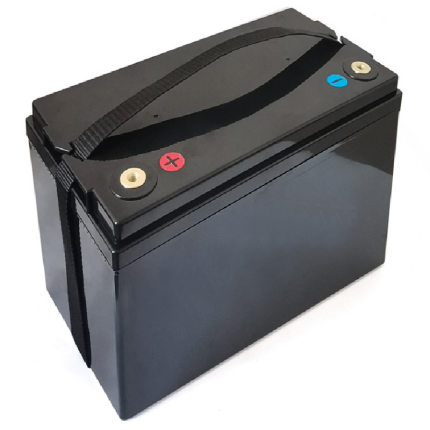
리튬이온 배터리가 작동하는 원리
대부분의 전기차는 리튬 이온 배터리 팩을 사용합니다. 새로운 배터리 화학 프로토타입이 가능성을 보여주는 뉴스가 종종 있지만, 대규모로 리튬 이온 배터리를 제조할 인프라는 이미 갖추어졌거나 건설 중입니다. 리튬 이온 배터리가 계속해서 개선될 것임에도 불구하고, 가까운 미래에는 잘 이해되고 있는 기술에서 벗어나는 산업적 변화가 일어날 가능성은 낮습니다.
리튬이온 배터리의 장점은 다음과 같습니다:
They have a higher energy density than either conventional lead-acid batteries used in internal-combustion cars, or the nickel-metal hydride batteries found in some hybrids such as Toyota’s new body-on-frame models like the Land Cruiser or 4Runner.
They self-discharge at a lower rate than other battery types, losing only 1 to 2 percent per month (as long as the weather conditions aren’t too extreme).
그들은 정기적인 완전 방전이나 전해질에 대한 유지보수가 필요하지 않습니다.
그들은 충전이 저하됨에 따라 비교적 일관된 전압을 제공합니다.
그러나 리튬이온 배터리에는 몇 가지 단점이 있습니다.
They’re expensive to produce, and mining the cobalt and nickel required has both environmental and humanitarian concern.
탑재 배터리 관리은 수명 연장에 중요합니다.
완전 충전과 완전 방전은 배터리 수명에 손상을 줍니다.
과열 및 잠재적인 열 연쇄 반응으로 인한 화재 발생이 가능하다.
배터리 충전 및 방전은 극심한 온도에 영향을 받습니다.
이러한 대부분의 단점을 해결하기 위해, 자동차 제조사들은 냉각과 난방을 모두 포함하는 배터리 상태 관리를 위한 소프트웨어 기반 시스템을 개발하여 노르웨이 겨울에서 텍사스의 폭염까지 다양한 환경에서 효율성을 향상시키고 있습니다.
Take for instance Audi’s new Q6 e-tron, which shares its platform with the EV version of the Porsche Macan EV. Compared to earlier e-tron models, the Q6’s battery back is smaller, lighter, and made up of fewer cells. It uses fewer rare earths in manufacturing, and Audi can build these packs in roughly half the time it took previously. The pack is tested in extreme weather conditions for longevity, and it features some clever software management, such as the ability to charge as two virtual battery packs in parallel to reduce voltage losses.
전기차 배터리 수명 기대치
배터리 팩의 기대 수명을 판단하는 가장 간단한 방법은 제조업체가 약속하는 것을 보는 것입니다. 현재 모든 자동차 제조사는 최소 8년 또는 100,000마일의 전기차 배터리 팩 보증을 제공하고 있습니다.
Tesla offers an eight-year battery warranty, and depending on the range and type of vehicle, coverage for 100,000 to 150,000 miles. This guarantee isn’t just against the complete failure of a battery pack, but against degradation. As they age, charge cycle by charge cycle, a lithium-ion pack loses a fraction of its total capacity. Tesla’s fine print says that its vehicles must retain at least 70-percent of their capacity during the warranty period. If they drop below that threshold, they’ll be replaced for free.
안전한 선택인 것 같습니다. 네덜란드의 테슬라 오너들이 참여한 크라우드소스 연구(전 세계 데이터를 사용함)에 따르면, 모델 S 오너들은 50,000마일 주행 후 평균 약 5퍼센트의 배터리 성능 저하를 경험했다고 합니다. 또한, 저하 곡선은 점점 완만해지기 시작하며, 150,000마일 또는 심지어 200,000마일 이후에는 약 10퍼센트 이하의 용량 손실이 발생하는 것으로 나타났습니다.