우리의 삶은 리튬 이온 배터리로 움직입니다. 이메일 보내기부터 소셜 미디어 체크까지, 친구 집으로 운전하는 것까지, 배터리는 21세기 생활을 활기차게 유지시켜줍니다.
이 의존도는 향후 수십 년 동안 더욱 높아질 것으로 예상됩니다. 석탄 없는 미래를 향해 나아가면서 배터리는 재생 에너지 생산과 점점 더 함께 사용될 것입니다.
One problem with renewable energy sources is that turbines generate electricity only if it’s windy and solar panels work only when the sun shines. Batteries help us get around this problem as they can store energy and release it when demand is high.
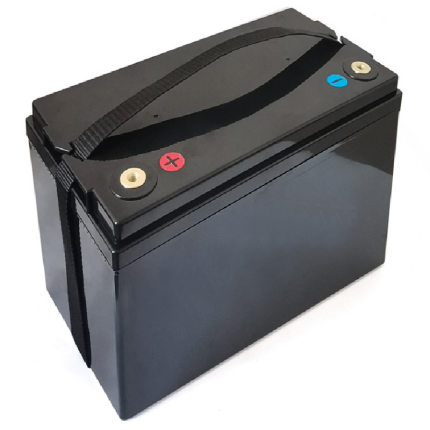
This week it was announced that the UK’s biggest battery was going to be built at Whitelee wind farm near Glasgow. The battery will store power generated by 215 turbines and should prop up the National Grid even when the wind is not blowing.
This is expected to be the first of at least six similar projects across Scottish Power’s renewable energy sites.
It follows the world’s largest battery installation in Adelaide in 2017. The project was built to store energy alongside Neoen’s Hornsdale windfarm, near Jamestown. At the end of last year figures presented by the Australian Energy Week suggested the new system had reduced the price of power outages by 90 per cent.
이러한 발전은 종종 흥미롭지만, 이 기술을 구축하는 데 사용되는 원자재는 그 자체로 환경적 비용을 수반한다.
현재 세계 리튬의 75%는 호주, 칠레, 아르헨티나, 중국에서 생산되고 있습니다. 일부 분석가들은 배터리 에너지가 석탄을 대체하기 시작하면서 남아메리카가 새로운 “중동”이 될 수 있다고 우려합니다. Meridian International Research의 전문가들은 “볼리비아는 사우디아라비아보다 훨씬 더 많은 세계의 관심을 받게 될 것”이라고 말했습니다.
A key element in lithium-iron batteries is cobalt in the positive electrodes (or cathodes). More than 60 per cent of the world’s cobalt comes from the Democratic Republic of Congo.
중국 기업들은 3만5천 명이 넘는 아이들을 고용해 국내 산업 광산을 운영하고 있으며, 이 중 일부는 겨우 여섯 살에 불과합니다. 이들은 더러운 일을 하느라 목숨을 걸고 있으며, 많은 전자회사를 위해 코발트를 채굴하고 있는데, 이들 회사 대부분은 그들이 일하는 충격적인 환경을 알고 있을 가능성이 높습니다.
정부가 공급을 제한하기로 결정할 경우, 지정학적 위험도 존재합니다.
2015년 보고서에 따르면 세계 그래파이트의 82퍼센트가 배터리의 또 다른 핵심 부품인 중국에서 공급되고 있다고 밝혀졌습니다. 제조업체들은 핵심 부품 공급이 한 나라에 집중되는 것에 대해 우려해야 합니다.
배터리에는 많은 열정적인 투자가 이루어지고 있지만, 그것을 만드는 금속을 채굴하는 것의 환경적 및 정치적 함의를 신중하게 생각할 필요가 있습니다.
리튬의 재활용률은 현재 매우 낮으며, 우리가 오래된 금속을 계속 버어난다면 배터리의 친환경성도 그리 녹색으로 보이지 않을 수 있습니다.