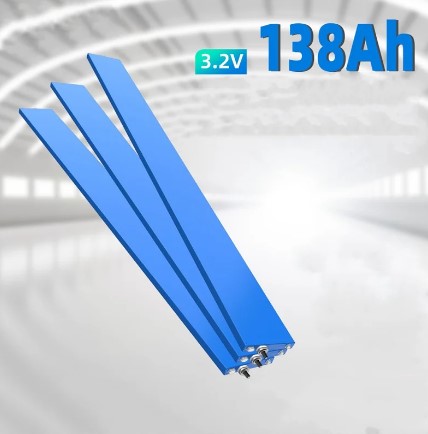
다른 배터리와 마찬가지로, 충전식 리튬이온 배터리는 하나 이상의 전원을 생성하는 구획으로 구성되어 있으며, 이를 "셀"이라고 합니다.세포각 셀에는 본질적으로 세 가지 구성 요소가 있습니다: a양극 (connected to the battery’s positive or + terminal), a 음극(음극 또는 − 단자에 연결된) 화학 물질인 ���전해질그들 사이에. 양극은 일반적으로 리튬 코발트 산화물(LiCoO)라는 화합물로 만들어집니다.2—often pronounced “lyco O2”) or, in newer batteries, from lithium iron phosphate (LiFePO4). The 음극 is generally made from carbon (graphite) and the 전해질 varies from one type of battery to another—but isn’t too important in understanding the basic idea of how the battery works.
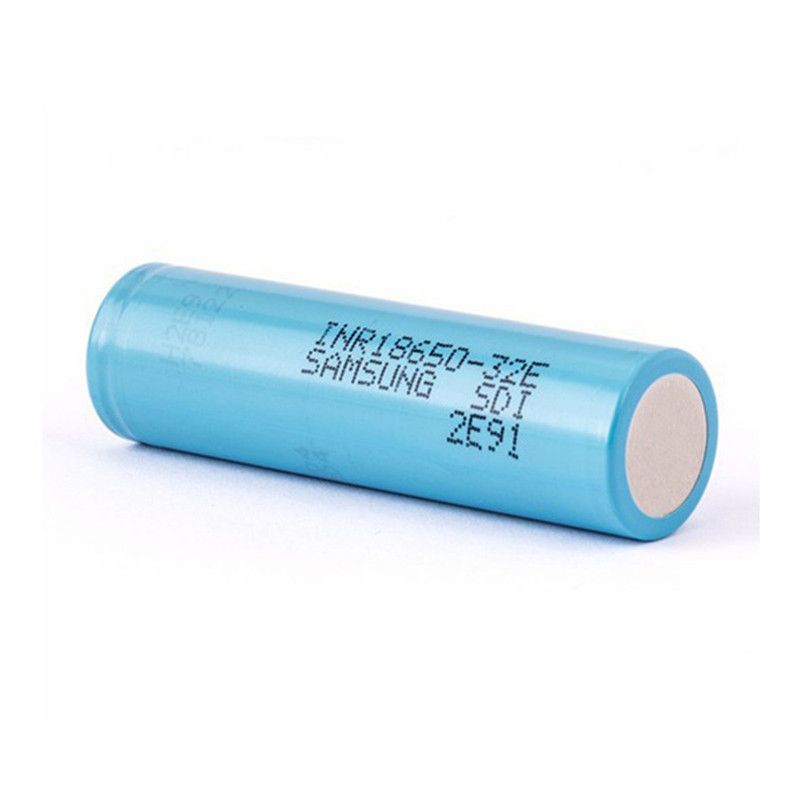
18650 32E 3200mAh 배터리
All lithium-ion batteries work in broadly the same way. When the battery is charging up, the lithium-cobalt oxide, 양극 gives up some of its lithium ions, which move through the 전해질 to the negative, graphite electrode and remain there. The battery takes in and stores energy during this process. When the battery is discharging, the lithium ions move back across the 전해질 to the 양극, producing the energy that powers the battery. In both cases, electrons flow in the opposite direction to the ions around the outer circuit. Electrons do not flow through the 전해질: it’s effectively an insulating barrier, so far as electrons are concerned.
The movement of ions (through the 전해질) and electrons (around the external circuit, in the opposite direction) are interconnected processes, and if either stops so does the other. If ions stop moving through the 전해질 because the battery completely discharges, electrons can’t move through the outer circuit either—so you lose your power. Similarly, if you switch off whatever the battery is powering, the flow of electrons stops and so does the flow of ions. The battery essentially stops discharging at a high rate (but it does keep on discharging, at a very slow rate, even with the appliance disconnected).
단순한 배터리와 달리, 리튬 이온 배터리에는 내장되어 있습니다.전자적인충전과 방전을 제어하는 컨트롤러. 이들은 일부 상황에서 리튬이온 배터리 폭발을 일으킬 수 있는 과충전과 과열을 방지합니다.