Compared to combustion-engined cars, electric cars have fewer moving parts, regenerative braking tends to mean less frequent replacement of pads and rotors, and servicing requirements are greatly reduced. Add in the ability to charge on the cheap during low demand times, and choosing to purchase or lease an EV isn’t just about lowering tailpipe emissions, but spending fewer hard-earned dollars on fuel. However, EVs do tend to cost significantly more to purchase.
What makes electric cars more expensive to buy than their combustion-engined rivals is primarily the cost of manufacturing large lithium-ion battery packs. The hope is that continual improvements will bring cost-per-kWh down to the point that electric vehicles (EV) and those powered by an internal-combustion engine (ICE) are on an even footing. But even with parity, some consumers are concerned that the potential replacement cost of an EV’s battery could mean dealbreaker bills down the road.
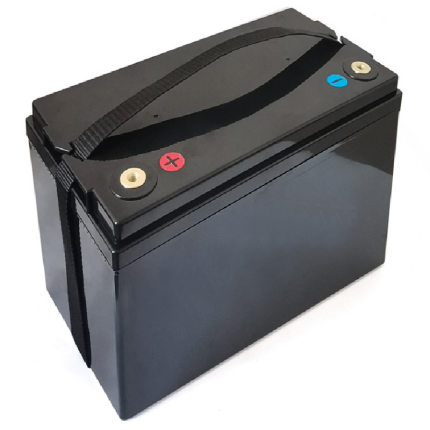
Как работает литий-ионный аккумулятор
Большинство электромобилей используют аккумуляторные батареи на основе литий-ионных элементов. Несмотря на то, что часто появляются новости о новых прототипах химии батарей, которые показывают перспективы, инфраструктура для масштабного производства литий-ионных батарей уже либо создана, либо находится в стадии строительства. Хотя литий-ионные аккумуляторы продолжат совершенствоваться, в ближайшем будущем в отрасли маловероятен переход от хорошо изученной технологии.
Литий-ионные аккумуляторы обладают следующими преимуществами:
They have a higher energy density than either conventional lead-acid batteries used in internal-combustion cars, or the nickel-metal hydride batteries found in some hybrids such as Toyota’s new body-on-frame models like the Land Cruiser or 4Runner.
They self-discharge at a lower rate than other battery types, losing only 1 to 2 percent per month (as long as the weather conditions aren’t too extreme).
Они не требуют периодических полных разрядов и никакого обслуживания электролитов.
Они обеспечивают достаточно стабильное напряжение даже по мере ухудшения заряда.
Однако литий-ионные батареи имеют некоторые недостатки:
They’re expensive to produce, and mining the cobalt and nickel required has both environmental and humanitarian concern.
Управление батареей на борту играет решающую роль в долговечности.
Полная зарядка и полная разрядка вредны для срока службы аккумулятора.
Переохлаждение и возможное тепловое каскадирование с последующим возгоранием — возможно.
Зарядка и разрядка батареи подвержены влиянию экстремальных температур.
Чтобы решить большинство этих недостатков, автопроизводители разработали программное обеспечение для управления состоянием аккумулятора, включающее охлаждение и нагрев, что помогает повысить эффективность в условиях от норвежской зимы до टेकасской жары.
Take for instance Audi’s new Q6 e-tron, which shares its platform with the EV version of the Porsche Macan EV. Compared to earlier e-tron models, the Q6’s battery back is smaller, lighter, and made up of fewer cells. It uses fewer rare earths in manufacturing, and Audi can build these packs in roughly half the time it took previously. The pack is tested in extreme weather conditions for longevity, and it features some clever software management, such as the ability to charge as two virtual battery packs in parallel to reduce voltage losses.
Срок службы аккумулятора электромобиля
Самый простой способ определить ожидаемый срок службы аккумуляторной батареи — посмотреть, что обещают производители. Все автопроизводители в настоящее время предоставляют как минимум восьмилетнюю гарантию на батареи электромобилей на 100 000 миль.
Tesla offers an eight-year battery warranty, and depending on the range and type of vehicle, coverage for 100,000 to 150,000 miles. This guarantee isn’t just against the complete failure of a battery pack, but against degradation. As they age, charge cycle by charge cycle, a lithium-ion pack loses a fraction of its total capacity. Tesla’s fine print says that its vehicles must retain at least 70-percent of their capacity during the warranty period. If they drop below that threshold, they’ll be replaced for free.
Это, кажется, надежная ставка. Исследование, проведённое с привлечением участников-автовладельцев Tesla в Нидерландах — с использованием данных со всего мира — показало, что владельцы Model S наблюдали среднее снижение ёмкости примерно на 5 процентов после 50 000 миль пробега. Кривая деградации также начинает замедляться, что указывает на потерю около 10 процентов ёмкости или меньше после 150 000 или даже 200 000 миль.