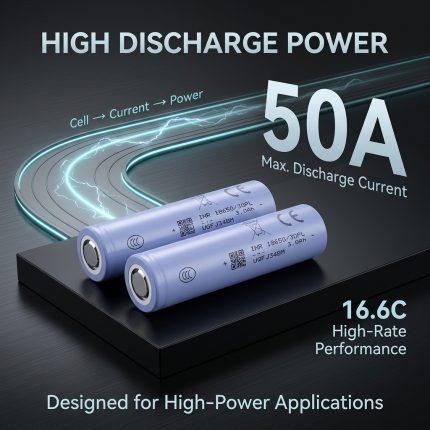
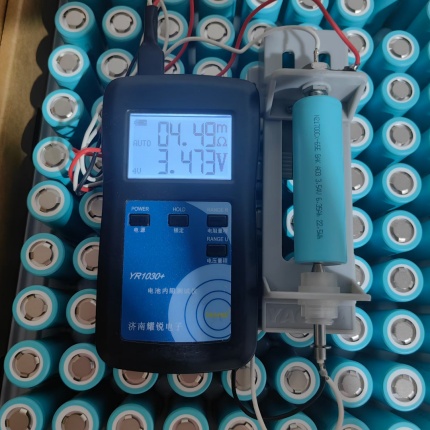
Lithium batteries and lead-acid batteries each have their advantages and disadvantages. The choice of which battery to use should be based on the specific application scenario and requirements. In situations that require high energy density, lightweight, and long lifespan, lithium batteries have a greater advantage; whereas in cases where lower cost and higher safety are needed, lead-acid batteries are more suitable.
Lithium batteries and lead-acid batteries are two common types of batteries, each with its unique advantages and disadvantages. Below, a detailed comparison of these two types of batteries will be made from aspects such as performance, safety, cost, and environmental protection.

1. Advantages of lithium batteries:
1. High energy density: Lithium batteries have a higher energy storage capacity, and their energy density is much higher than that of lead-acid batteries for the same weight.
2. Lightweight: Lithium batteries are lighter, making them easy to carry and install.
3. Long lifespan: Lithium batteries have a longer cycle life, allowing for more charge and discharge cycles, resulting in a relatively longer lifespan.
4. No memory effect: Lithium batteries do not have a memory effect, allowing them to be charged at any time without affecting battery performance.
2. Disadvantages of lithium batteries:
1. Higher cost: The production cost of lithium batteries is relatively high, leading to a higher selling price.
2. Sensitive to temperature and charge/discharge conditions: Lithium batteries have high requirements for temperature and usage conditions, and improper use may lead to battery damage.
3. Advantages of lead-acid batteries:
1. Lower cost: The production cost of lead-acid batteries is relatively low, making them more affordable.
2. Higher safety: Lead-acid batteries produce less gas during charging, making them relatively safer.
3. Wide applicability: Lead-acid batteries are suitable for various devices, such as cars and electric vehicles.
4. Disadvantages of lead-acid batteries:
1. Lower energy density: Compared to lithium batteries, lead-acid batteries have a lower energy-to-weight ratio and limited energy storage.
2. Heavier weight: Lead-acid batteries are relatively heavy, making them less convenient to carry and install.
3. Shorter lifespan: Lead-acid batteries have a shorter cycle life and need to be replaced regularly.
4. Memory effect exists: Lead-acid batteries have a memory effect, and prolonged incomplete charging or discharging may reduce battery capacity.
In summary, lithium batteries and lead-acid batteries each have their advantages and disadvantages. The choice of which battery to use should be based on specific application scenarios and needs. In situations requiring high energy density, lightweight, and long lifespan, lithium batteries have an advantage; while in cases where lower cost and higher safety are needed, lead-acid batteries are more suitable. In the future, with advancements in technology and increasing environmental requirements, lithium batteries are expected to replace lead-acid batteries in more fields.