Militaries have spent more than a century operating with fuel and ammunition as limits of combat endurance. They are only beginning to treat batteries with the same operational seriousness, as small unmanned systems move from niche equipment to mass-consumption weapons. Recent bipartisan supply diversification efforts by Congress, the administration, and the Department of Defense provide initial momentum to ensure supply chain independence and resilience for drone batteries. Further targeted efforts can accelerate the establishment of a competitive, advanced battery and cell domestic and allied industrial base.
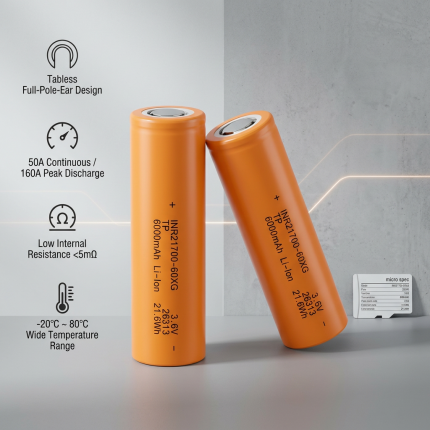
A drone battery can occupy three logistical categories at once. For a reusable reconnaissance drone, it behaves much like fuel, as it governs endurance and must be recharged or replaced before the next sortie. For a one-way attack drone, it leaves with the weapon and is expended with it. In a loitering munition held in inventory, it is also a shelf-life-limited component whose degradation can determine whether the weapon works years after it was manufactured. At scale, batteries transition from an electronic component inside an airframe to become part of a formation’s combat-consumption rate.
Benchmark Mineral Intelligence estimates that defense battery applications consumed 4.3 gigawatt-hours in 2025, against roughly 1.6 terawatt-hours across all uses, and that drones accounted for 39 percent of defense battery demand. The Department of Defense’s Drone Dominance Program is moving from tens of thousands of low-cost one-way attack drones in 2026 toward more than 200,000 by 2027, prioritizing development of domestic and alternative supply and moving away from Chinese supply chains. For the foreseeable future, the military battery market will remain commercially small, even as the number of battery-powered weapons becomes operationally enormous, since the commercial battery market is about two to three orders of magnitude bigger.
A three-part drone battery resilience approach can organize ongoing industrial base efforts, and further derisk the impact of global supply chain disruptions. First, a strategic battery reserve could be established almost immediately, tailored to the specific performance needs of various defense applications and organizing initial defense-specific demand. Second, dedicated efforts to support domestic and allied battery manufacturing and associated supply chains can establish a competitive industrial base. Third, leveraging U.S. technological and private sector innovation, U.S. battery chemistry, and other research and development can enable advanced drones that provide enduring logistics advantages for the warfighter.