RC car batteries last 15-45 minutes per charge and 1-4 years overall, depending on chemistry, usage, and maintenance. LiPo batteries offer 200-500 cycles and typically outlast NiMH batteries, which provide 150-300 cycles. Proper storage, efficient driving, and correct charging extend both runtime and total lifespan.
This guide breaks down actual runtime data from our testing, shows you how to squeeze more from each charge, and helps you plan replacement timing before batteries leave you stranded.
Battery Types & Technical Specifications
Understanding battery chemistry and voltage ratings helps you choose the right power source for your driving style.
NiMH Battery Performance & Specifications
NiMH battery
Nickel Metal Hydride batteries use proven chemistry that’s forgiving for beginners. Standard configurations include 6-cell (7.2V) and 7-cell (8.4V) packs with capacities ranging from 3000-5000mAh.
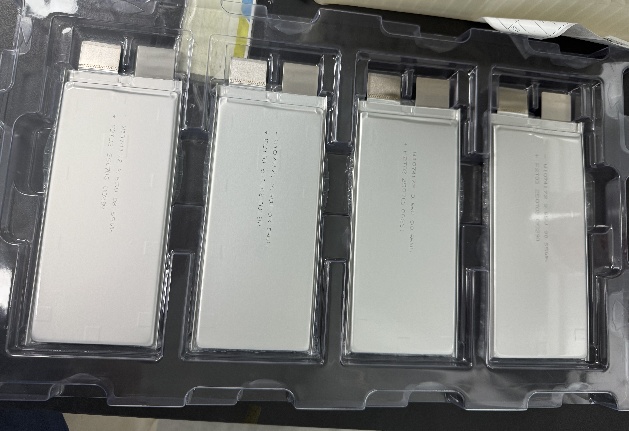
Runtime varies from 15-30 minutes depending on capacity and driving conditions. These batteries handle 150-300 charge cycles, translating to 6-18 months of weekend driving or 6-12 months of daily use.
Temperature tolerance ranges from -10°C to +40°C with minimal performance loss. NiMH batteries work well in cold Finnish winters where other chemistries struggle, though this cold-weather advantage doesn’t extend their overall lifespan.
LiPo Battery Performance & Specifications
LiPo battery
Lithium Polymer batteries deliver higher voltage and energy density. Common configurations include 2S (7.4V), 3S (11.1V), and 4S (14.8V) packs with discharge ratings from 25C to 100C.
Runtime spans 20-45 minutes per charge with significantly more power delivery. Expect 200-500 cycles depending on care quality—roughly 1.5-3 years of regular use when properly maintained.
Temperature operating range is narrower: 0°C to +35°C for optimal performance. Below 0°C, expect 20-30% capacity reduction.
Higher cell counts provide more voltage and speed but reduce total runtime due to increased power consumption. LiPo batteries generally outlast NiMH batteries when properly cared for, making them better long-term investments despite higher initial costs.
Factors Affecting Battery Duration & Improvement Strategies
Multiple variables control runtime and overall battery lifespan. Understanding these relationships helps you maximize value from every charge.
Primary Runtime Variables
Motor efficiency plays the biggest role in battery consumption. Brushless motors waste less energy as heat compared to brushed alternatives. A quality brushless system can improve runtime by 25-40% over brushed setups.
Electronic Speed Controller (ESC) settings significantly impact performance. Low voltage cutoff prevents over-discharge damage. Throttle curves and timing adjustments help balance power delivery with efficiency.
Gear ratios determine how hard your motor works. Lower numerical ratios (higher gear) reduce motor load and extend runtime. Higher ratios sacrifice runtime for acceleration and torque.
Vehicle weight affects power requirements. Every 100 grams of unnecessary weight reduces runtime by approximately 3-5%. Remove unused accessories and choose lightweight upgrades when possible.
Environmental & Usage Factors
Driving surface resistance varies dramatically. Smooth asphalt requires 30-40% less power than loose dirt or sand. Grass and carpet fall between these extremes.
Ambient temperature affects all battery chemistries. Cold weather reduces available capacity while hot conditions accelerate chemical degradation. Store batteries at room temperature between sessions.
Driving style makes the largest controllable difference. Smooth throttle inputs, gradual acceleration, and efficient cornering can boost runtime by 20-30% compared to aggressive driving.
Runtime Improvement Techniques
Vehicle maintenance directly impacts efficiency. Clean, properly lubricated bearings reduce drivetrain friction. Well-aligned wheels prevent unnecessary drag. Replace worn parts before they affect performance.
Motor and ESC cooling prevents thermal throttling. Adequate airflow maintains peak efficiency throughout the run. Consider fan-cooled motor mounts for extended sessions.
Weight distribution affects handling and efficiency. Proper battery placement improves balance while reducing unnecessary movement during cornering and acceleration.
Regular maintenance schedules preserve performance. Inspect connections, clean contacts, and check for physical damage after every few sessions. Problems caught early prevent major failures.